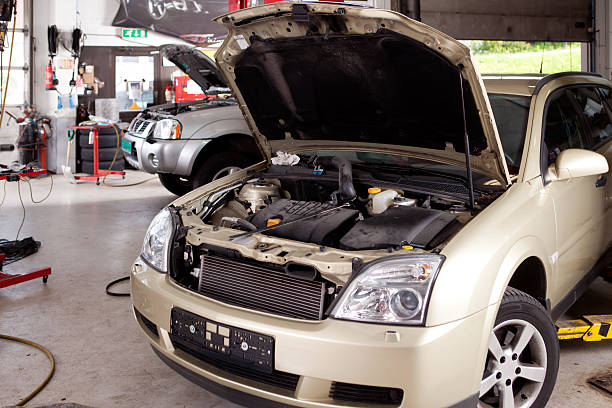
Owning a vehicle gives you freedom, but it also means taking care of a machine that works hard every time you use it. From short trips to long journeys, regular driving slowly puts wear on different parts of a car or motorcycle.
The good thing is that proper vehicle care does not always require complicated mechanical knowledge. A few simple habits, regular checks and a little attention can make everyday ownership much easier.
Understand Your Vehicle
Every vehicle has its own requirements. The recommended oil, tyre pressure, service intervals and maintenance procedures can vary depending on the model.
That is why the owner’s manual is worth keeping somewhere accessible. It contains information specifically designed for your vehicle, rather than generic advice that may not apply to it.
Learning a few basic details about your vehicle can also make maintenance conversations easier. You do not need to know every component under the bonnet. Just understanding the basics is a good beginning.
Check Tyres Regularly
Tyres deserve more attention than they usually get.
Check the tyre pressure according to the manufacturer’s recommendations and look for obvious signs of damage or unusual wear. If one tyre repeatedly loses pressure, it is better to have it inspected rather than simply adding air every few days.
Tyre condition can also change with age, weather and how frequently the vehicle is driven. Regular checks are a small task that can help you notice problems earlier.
Follow the Maintenance Schedule
Routine servicing is an important part of vehicle ownership.
Manufacturers provide maintenance schedules for a reason. Depending on the vehicle, servicing may include oil and filter changes, inspections and checks of components that naturally wear over time.
Skipping maintenance because the vehicle seems to be running perfectly can be tempting. Unfortunately, some mechanical problems develop quietly before becoming noticeable.
For general automotive information and vehicle-related discussions, Driveqix.com can be explored as a broader resource for motoring topics.
Pay Attention to Warning Signs
Your vehicle often gives you clues when something is not quite right.
An unusual vibration, strange noise, warning light, change in braking behaviour or difficulty starting can all be worth investigating. Not every unusual symptom means a major repair is coming, but ignoring changes completely is rarely a good strategy.
If something feels different from the vehicle’s normal behaviour, make a note of it and consider having it checked.
Keep Fluids in Check
Different fluids help various vehicle systems operate properly.
Engine oil is particularly important because it helps lubricate internal engine components. Coolant also plays an important role in managing engine temperature. Other systems may require specific fluids as well.
Always follow the manufacturer’s instructions when checking fluid levels. If a fluid repeatedly drops, the cause should be investigated instead of simply topping it up indefinitely.
Drive Smoothly
The way you drive can affect vehicle wear.
Sudden acceleration, hard braking and aggressive manoeuvres can put additional stress on various components. Smooth acceleration and controlled braking are generally easier on the vehicle.
There is also a practical benefit. Predictable driving can make the journey more comfortable for passengers and gives you more time to react to changing road conditions.
Driving smoothly does not mean driving like a snail, of course. It simply means avoiding unnecessary harsh movements.
Keep the Vehicle Clean
A clean vehicle is nicer to use, but cleaning also gives you an opportunity to inspect it.
When washing the exterior, you may notice scratches, damaged trim or areas that need attention. Cleaning the interior regularly can also prevent dirt and clutter from building up.
You do not need professional detailing every week. A basic cleaning routine is enough for most everyday vehicles.
Notice Changes in Performance
You spend more time with your vehicle than you may realize, which means you are often the first person to notice small changes.
Perhaps the steering feels slightly different, the engine sounds unusual or the vehicle does not respond quite like it normally does. These observations can be useful when explaining a potential problem to a mechanic.
Writing down when a problem occurs can help too. For example, does it happen only when the engine is cold, during braking or at higher speeds? Small details can sometimes make diagnosis easier.
Keep Service Records
Maintenance records are useful for more than paperwork.
Keeping receipts and service information organized helps you understand what has already been done. It also prevents you from forgetting when certain maintenance tasks were completed.
If you decide to sell the vehicle later, a clear maintenance history can also give a potential buyer a better understanding of how the vehicle has been looked after.
Digital folders work perfectly well for this. You do not need a giant filing cabinet taking over the house.
Use Reliable Automotive Information
The internet contains an enormous amount of vehicle information, but not everything you read online is accurate.
When researching maintenance or troubleshooting, compare information with the manufacturer’s guidance and trustworthy automotive sources. Advice that works for one vehicle may not necessarily work for another.
For broader discussions about vehicles, ownership and motoring, Autovorax.com can also be considered as a general automotive resource.
The more specific the issue, the more important it becomes to use information that actually applies to your particular vehicle.
Know When Professional Help Is Needed
Learning basic vehicle care is useful, but there are situations where professional assistance is the better choice.
Serious brake issues, complicated electrical faults, major engine problems and other difficult repairs can require specialized tools and knowledge. Attempting a repair without understanding the system can sometimes create additional problems.
Getting professional help does not mean you know nothing about vehicles. It simply means you understand the limits of what you can safely handle yourself.
Build Consistent Habits
Vehicle care works best when it becomes part of your normal routine.
Check the tyres occasionally, follow the service schedule, pay attention to warning signs and keep important records organized. None of these tasks are particularly exciting, but together they can make ownership more predictable.
Waiting until something completely fails is usually a much less convenient strategy.
Final Thoughts
Looking after a vehicle is mostly about consistency rather than complicated knowledge. Regular maintenance, careful driving and attention to small changes can help you understand your vehicle better and deal with potential problems earlier.
No vehicle will run perfectly forever. Parts wear out, batteries get old and unexpected repairs happen. That is simply part of owning a machine.
The aim is not to prevent every possible issue. It is to take sensible care of the vehicle, stay aware of its condition and make smart decisions when something needs attention.